
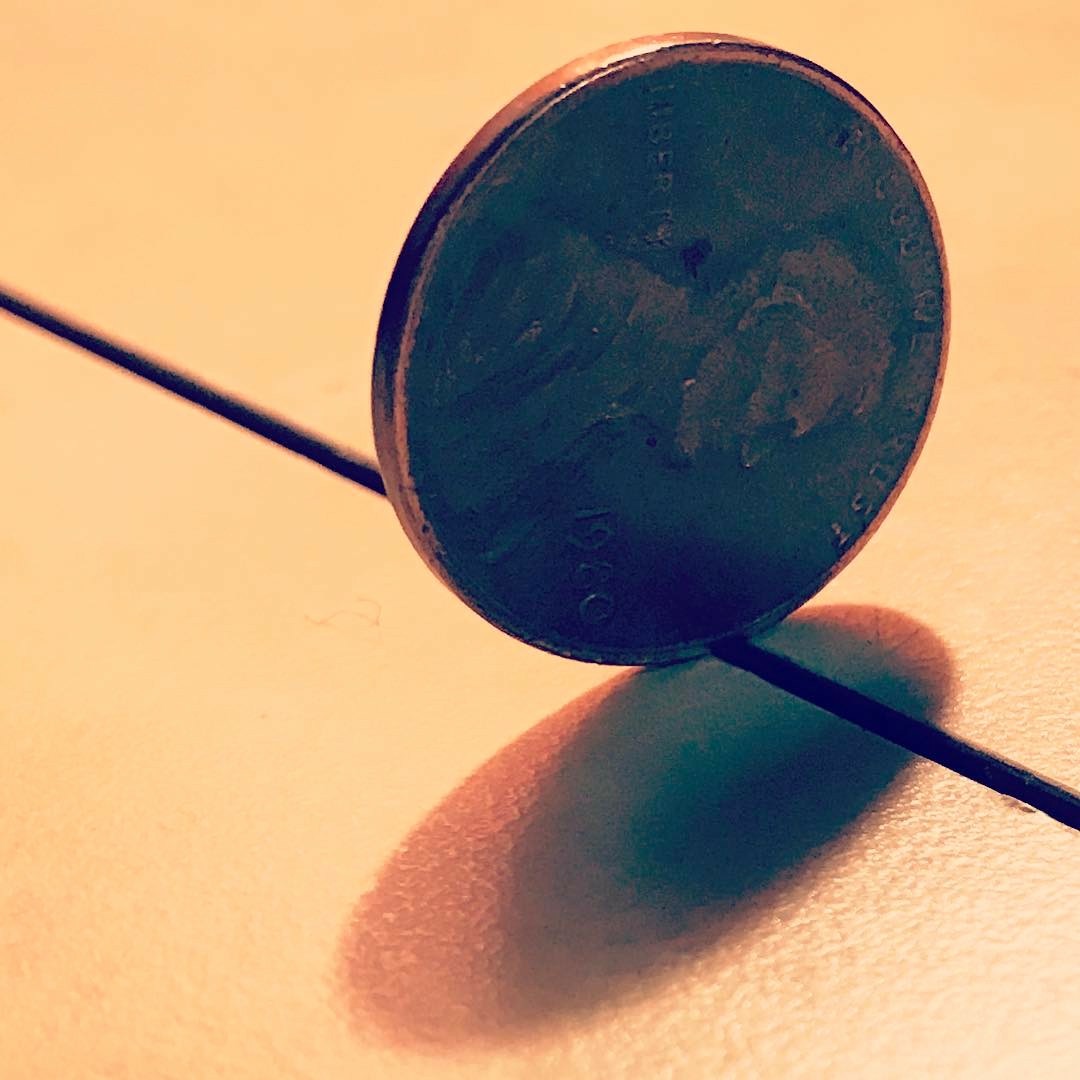
The following post is the seventh essay I wrote for my College Writing I class from my freshman year of college. Though I am tempted to polish it — revise sentence structure and diction to spice things up — I think the original message holds strong. Enjoy this little piece from the past!
We as Americans know wealth very intimately. We are one of the world’s greatest consumers. Every year, Americans go out earlier and earlier on the evening of Thanksgiving (ironically, a holiday celebrating gratitude) to go shopping and chase down the flashy new toy they want. There is this underlying assumption in our culture that obtaining more stuff will make us happier, but have we paused to examine this idea? In the pursuit of happiness, should everyone seek to increase their wealth?
Having some wealth is clearly part of the equation for a flourishing human life. Wealth as described here entails the fulfillment of man’s basic material needs, such as food, water, and shelter. “Man shall not live on bread alone,” but man must have bread in order to live. In prudent proportions, pleasures such as food, socializing, work, and rest are essential to living a well-balanced life. But only in balance. When any of these are pursued without restraint or moderation, they become destructive — bloated, grotesque disfigured images of once-legitimate enjoyments.
This fall I moved to New York City, a place overflowing with symbols of money and status. Advertisements plastered on subway walls and beaming from gigantic LED displays sing the praises of the hottest new products. They breathe subtle, seductive messages into the ear of the consumer: “This will entertain you.” “This will make more people like you.” “This will give your life meaning and purpose.” Yet in the midst of this, I am reminded of serving orphans in India three years ago. The contrast is otherworldly. Living out of a duffel bag, having nothing more than the basic necessities, and torn away from distracting media, I had the opportunity to direct all of my energy into serving those less fortunate than myself. This turned out to be extremely rewarding. It surprised me how little it took to bring an impoverished child joy, and the experience began to cultivate a deeper sense of gratitude in me. It was as though my vision, smudged and distorted by first-world affluence, had been cathartically cleansed.
Indeed, one cannot obtain happiness by increasing their wealth. Steve Wilkins and Mark L. Sanford write:
“Consumerism tells us that the holes in our lives will be filled if we just have more. Getting just a bit more proves to be unsatisfying, however, because money never fills legitimate needs for intellectual growth, moral virtue, love, true esteem… A counterfeit never replaces the real thing.”
Humans are more than just organic machines; they feel, emote, and relate to each other. They laugh, cry, and ponder the significance of the universe they inhabit. “A man’s life does not consist in the abundance of his possessions.”
 kindagenau